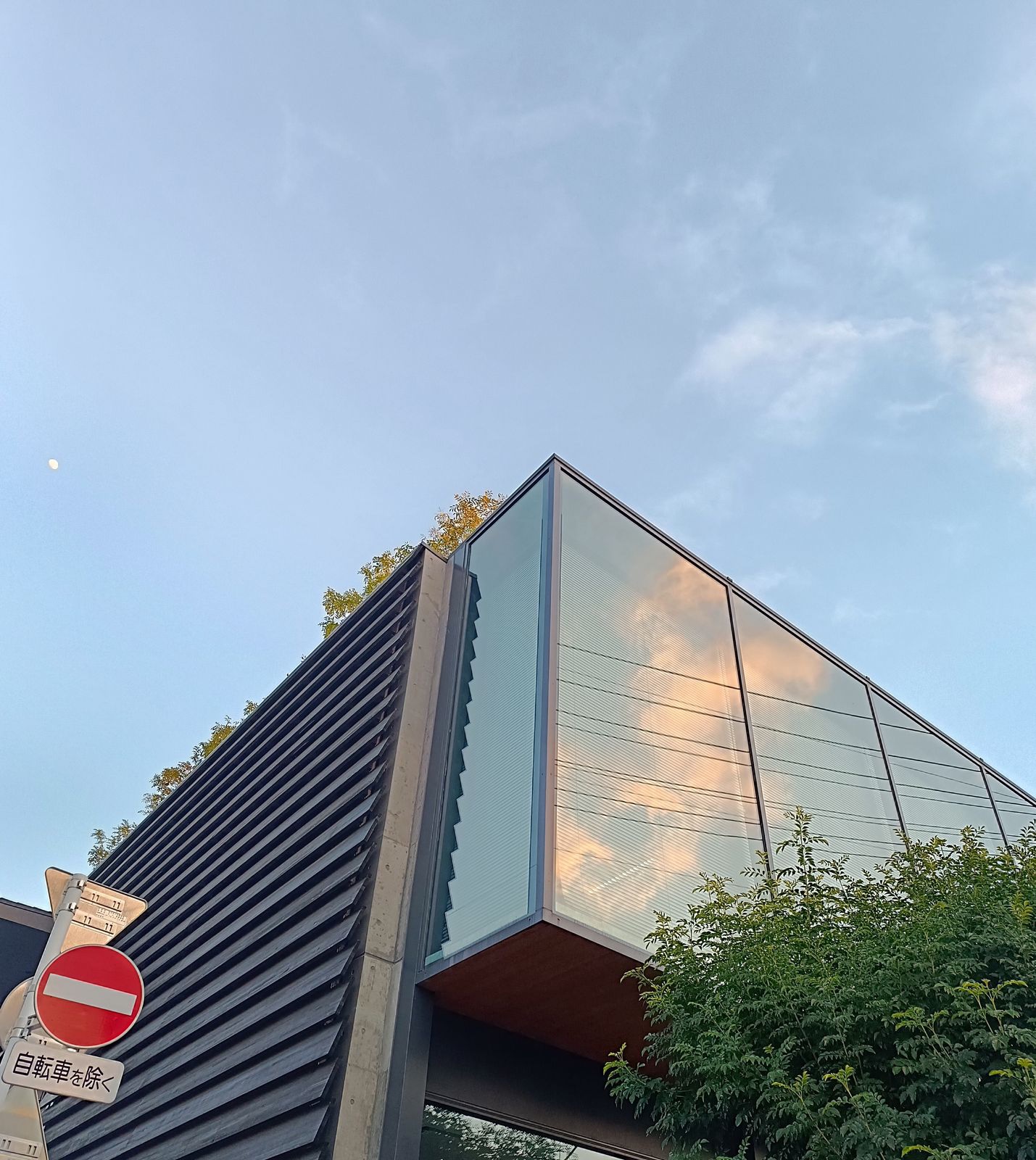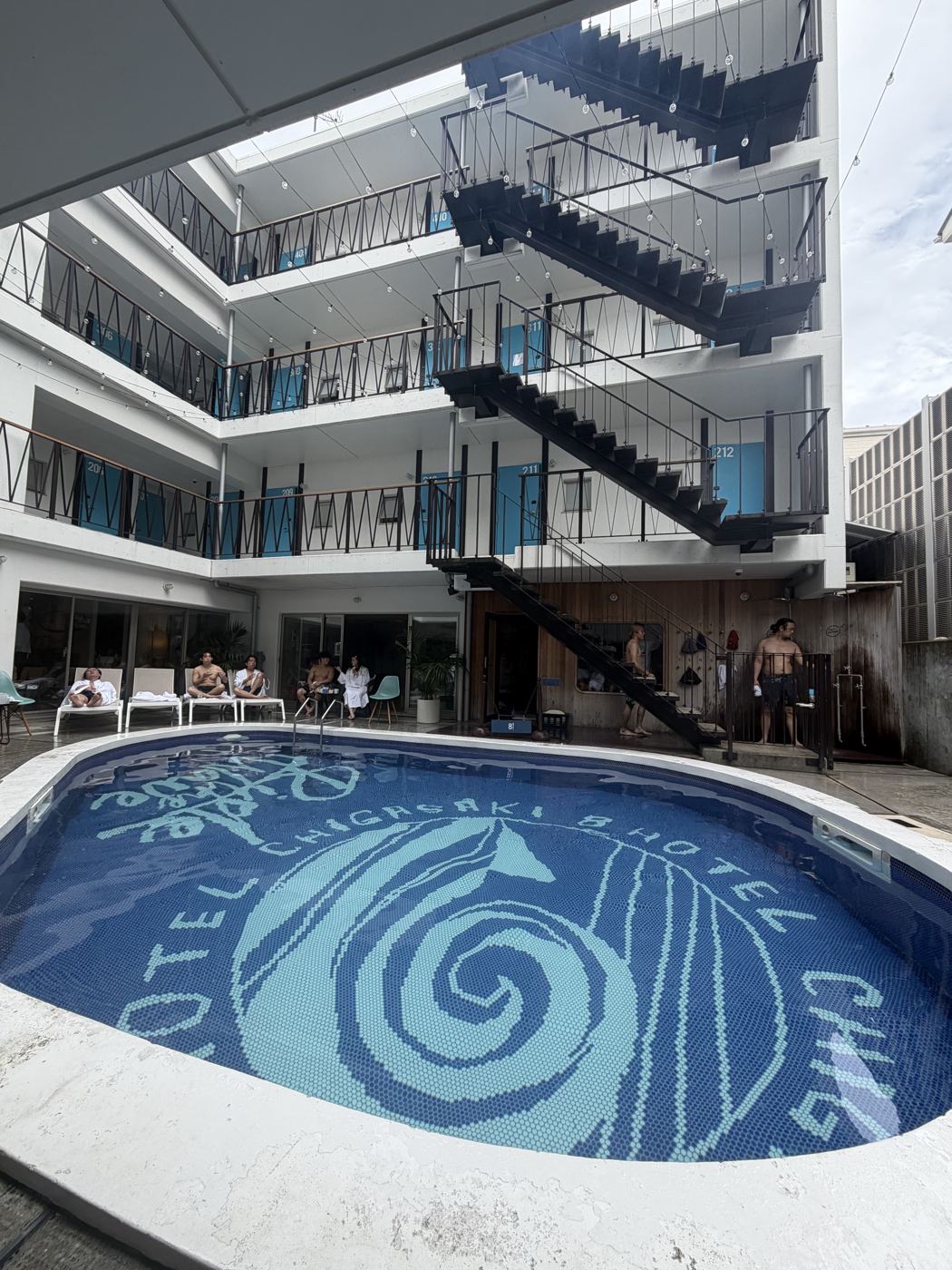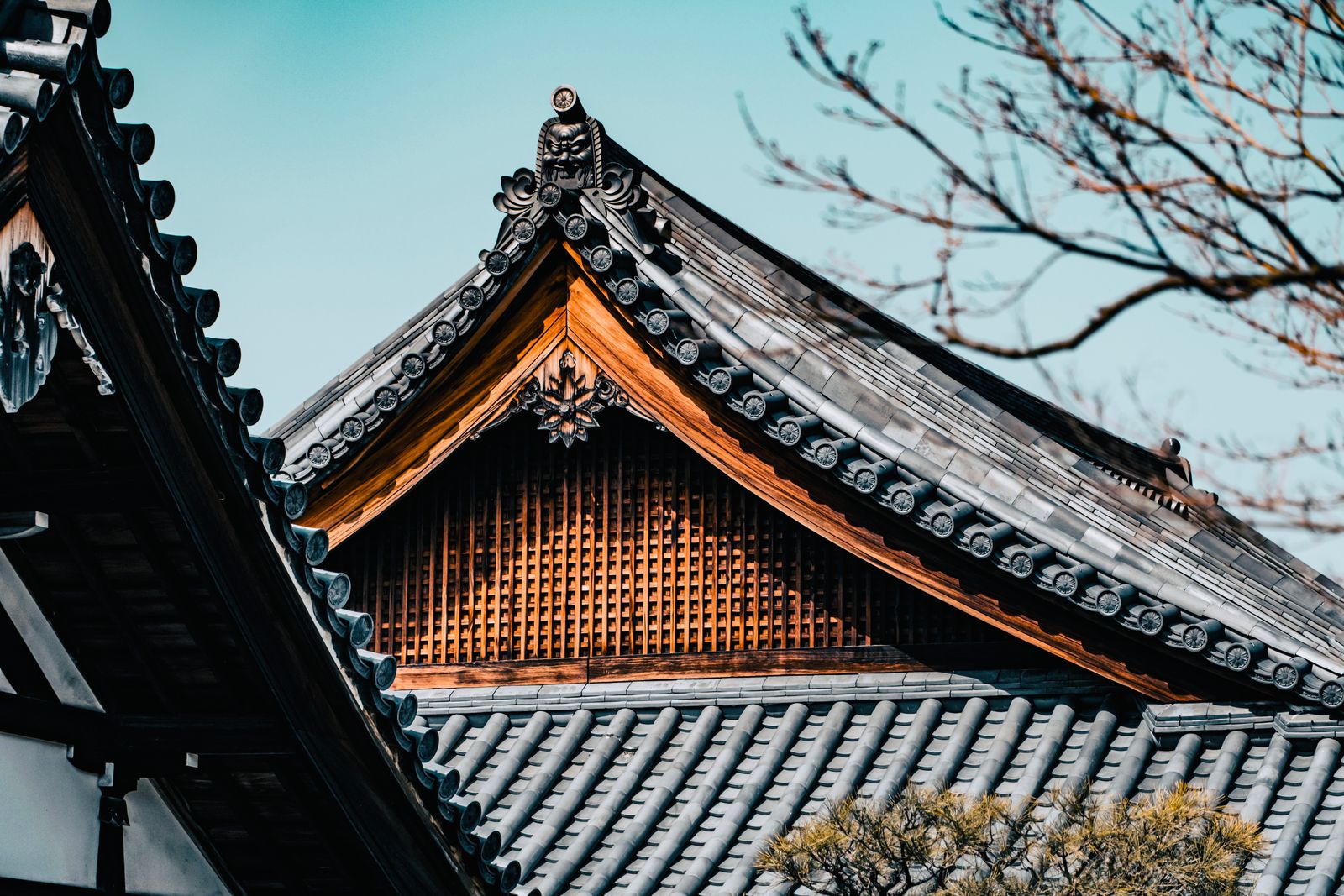
Long before air conditioning, Japanese architecture solved comfort with geometry: deep eaves, sliding walls, verandas that blur the line between inside and out. Modern buildings inherited more of this logic than they get credit for. You start noticing it once you know what to look for.
Built for summer
Wide eaves keep the high summer sun off the walls while letting in the lower winter light. Sliding shoji screens turn a room into a breeze in August and a sealed box in January — the same wall doing two completely different jobs.
Built for winter light
Paper screens don’t block light so much as soften it, turning a bright afternoon into something diffuse and even. Modern interpretations use frosted glass and deep balconies for the same effect: light that changes mood without changing the room.
How to actually notice it
Visit the same temple, garden, or building twice — once in summer, once in winter. Watch where the shadows fall. Once you’ve seen a space change with the season, you can’t unsee how much of the city was designed to do exactly that.
Want a local to walk these streets with you? We design small, unhurried tours around what you actually want to see — tell us what you’re curious about and we’ll build the map.